
– “Hey Seth, how do I become financially independent?”
– “Hey! Just listen to Warren Buffett’s investment advice…Never lose money, don’t forget – do NOT lose money, invest in yourself, and be patient!”
I get this question a lot. It deserves its own podcast, which we are considering starting soon. In short, you need to focus on two main levers:
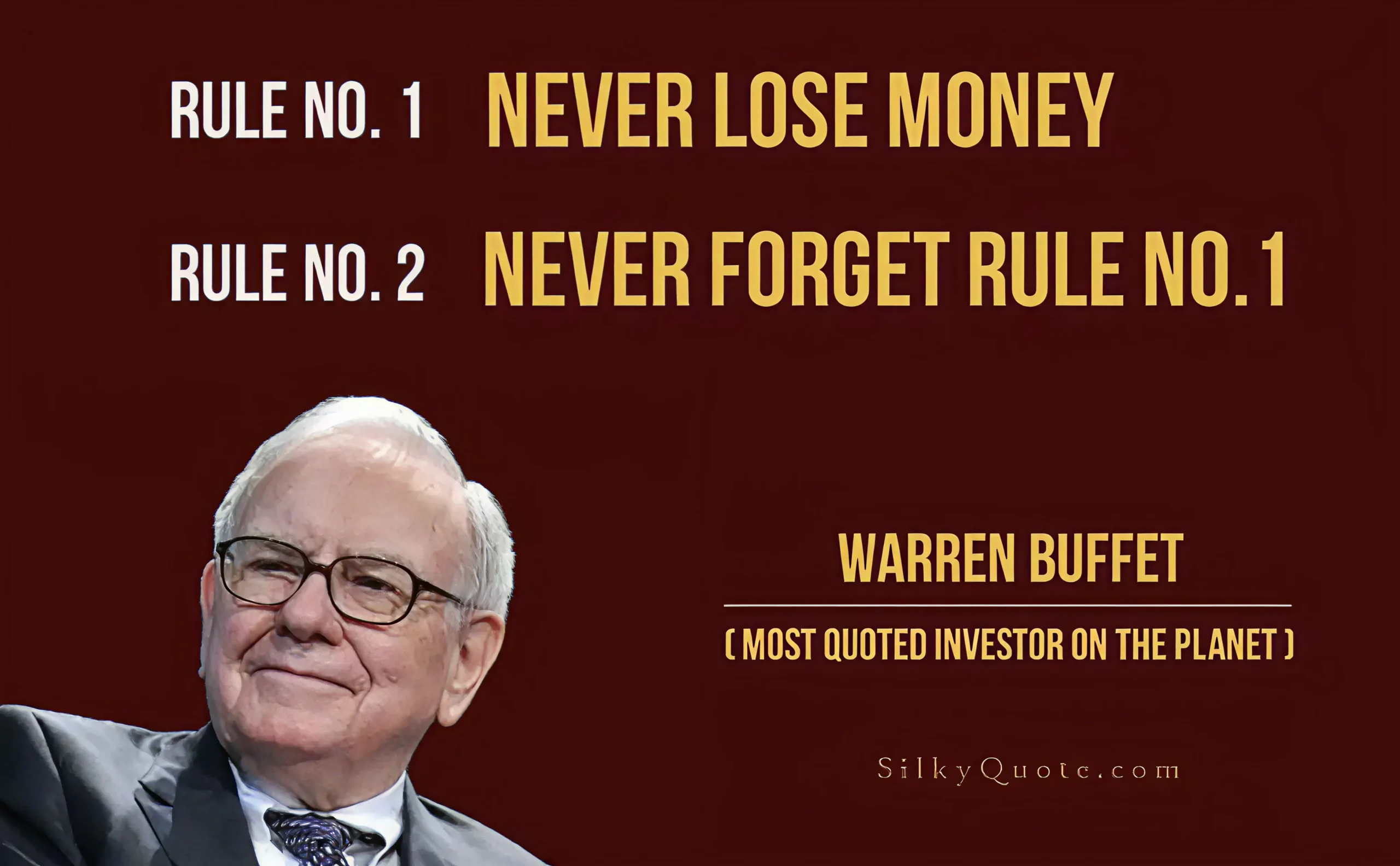
RULE #1: Never LOSE money! Just listen to Warren Buffett
Not losing money is the cornerstone of Warren Buffett’s rule of investing. While this sounds incredibly simple, you’d be surprised how many people are destroyed by a loss. Losses can come at you in many, many ways. From a crazy lawsuit (more on this in another blog) to a natural catastrophe (think earthquake or flood), to a simple water loss that you thought was covered but was not. INSURANCE IS YOUR FIRST LINE OF DEFENSE TO NOT LOSE MONEY. I will do a separate blog on lawsuits, which might be the most important piece of this equation. Stay tuned! You’ll also learn many other lessons from studying Warren Buffett’s tips and how he approaches long-term risk.
One reason not losing money is so hard stems from a lack of awareness. There are three stages of awareness, and the best way to describe them is as being a student in college. You walk into class, take a seat, and the professor asks, “What questions do you have?” There are three scenarios:
- Unknown – Unknown. In this stage, you don’t even know enough to ask a question. In short, you don’t know what you don’t know.
- Known – Unknown. In this stage, you are able to ask a question. Hence, you know what you don’t know.
- Known – Known. Here, you are able to answer the question that someone has asked.
Most people lose money because they are in the “UNKNOWN – UNKNOWN”stage, and they don’t know they are in this state. That’s why you are here thinking, “I could not have imagined that X could happen to me…” Interestingly, if you are in the unknown–unknown, one of the best things to do is to GET HELP and LEARN FROM OTHERS. This will help move you to the Known-Unknown stage. Being in the Known-Unknown is a powerful place to be because once you know the right questions or challenges, you can put yourself on a path to finding solutions. It is a great starting point! Many of the best financial independence tips start here—with learning, asking the right questions, and protecting against the unknown.
Insurance, properly designed, takes on both the unknown-unknown risks and the known-unknown risks. One example of the unknown-unknown risks was the use of ASBESTOS. Asbestos, for MANY YEARS, has been used everywhere in buildings and manufacturing because it has many incredible properties. Well, then it was discovered to have many health risks, and it began to be banned in the 1980s. To this very day, many insurance companies are paying out asbestos claims from the 50s, 60s, and 70s! Back then, the risks around asbestos were the unknown-unknown, and it was being paid by the insurance industry.
RULE #2 – DO NOT FORGET RULE #1. DON’T LOSE MONEY!
Needless to say, Warren Buffett’s investment advice should make the importance of insurance loud and clear. After all, insurance is your first line of defense to help you and your business avoid losing money! Following Warren Buffett’s rules of investing always begins with protecting your downside first.
Rule #3: Work, Save, and Invest– Core of WARREN BUFFETT’S INVESTMENT PHILOSOPHY
Most people should change their mindset about wealth generation. Usually, it is not about the end result but the process. Step 1 is to generate wealth through hard work, saving, and investing. There are frameworks for this, again, which I’ll try to unpack in another block. In brief, most people will fall into one of four buckets of Warren Buffett’s investment philosophy:
- Subject Matter Expert – Here, you are working, do not manage a team, and are paid for your individual contribution to a firm.
- Manager – Here, you manage a small team and start to leverage the time and effort of others
- Executive – At this stage, you are generally in the C-Suite and helping drive the company’s overall vision and operations.
- Entrepreneur – Here, you are your own boss. There are many flavors of entrepreneurship, which I’ll try to unpack at some point. And with entrepreneurship, one can often borrow money from banks, investors, etc.
Generally speaking, the risk-reward spectrum goes up from a 🡪 b 🡪 c 🡪 d. I.e., the lowest risk & reward (i.e., payoff) is to be a subject matter expert. And in general, the highest point of risk & reward is to be an entrepreneur. Again, these are general statements and are directional.
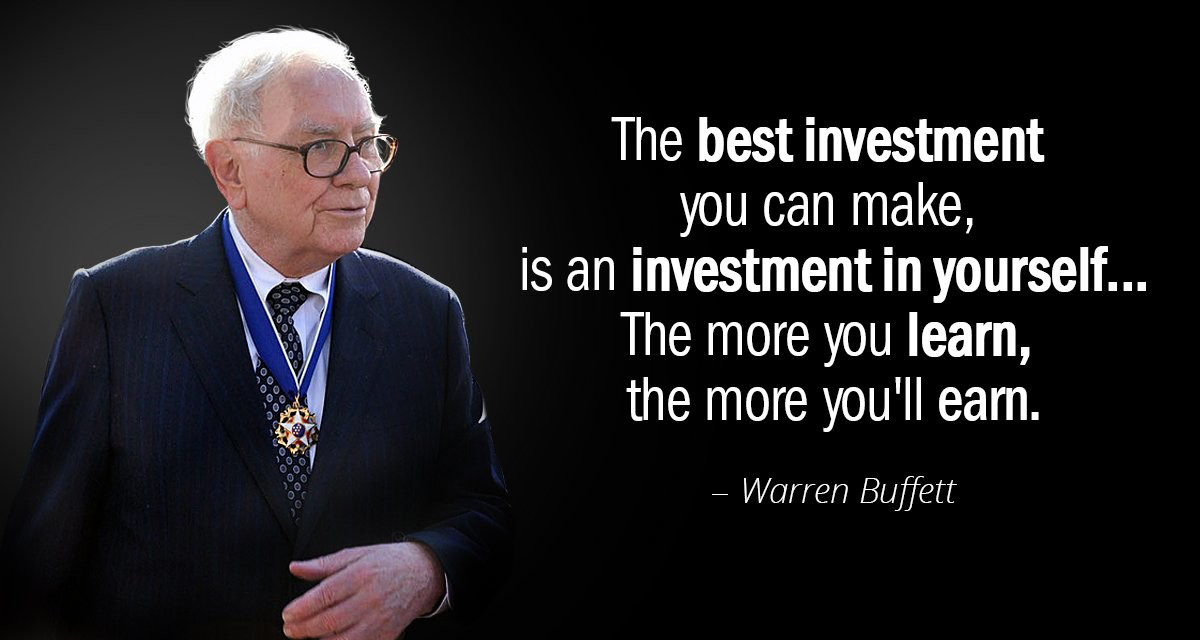
The point here is that no matter where you are along this risk-reward spectrum, the key is to live below your means and INVEST. There are two ways to invest: you can invest in businesses (i.e., directly in your own business or through buying shares of stock) or you can invest in yourself. I personally am a huge fan of Warren Buffett’s invest in yourself philosophy, which can have extremely high dividends. In fact, the famous quote by Warren Buffett says, “The more you learn, the more you earn.” This connects well with Warren Buffett’s goal setting, which focuses on long-term gains built through daily discipline.Think of every dollar you spend as an investment. Does your spending benefit your personal growth or financial growth? Is there some multiplier effect, or is it a sunk cost? Typical examples of sunk costs: that 10-dollar latte every day…that’s $300/month. $300/month invested for 30 years at 12% would be north of $1M! Just with that one change. And Warren Buffett’s investing in yourself would likely yield a greater return. And if you can sock away $3000/month, you’d have more than 10M at the end of 30 years! The point here is to start somewhere. Whether it is $10/month or $30,000/month, the time to start investing is now. Time is your best friend, and it is never too late, according to Warren Buffett’s investment philosophy.
Rule #4. Be Patient, Stay Disciplined, and Play the Long Game
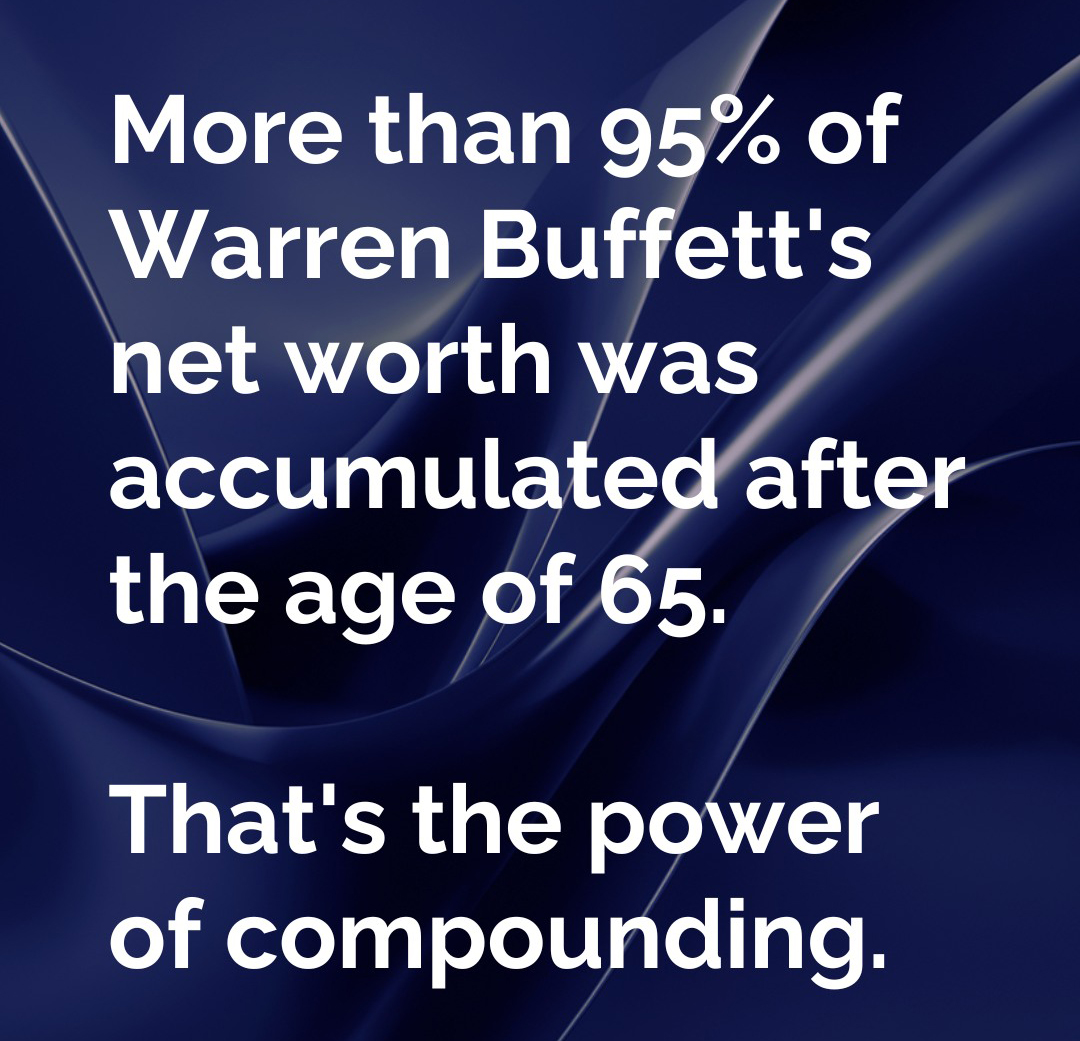
While some of the wealthy make their money fast, most self-made millionaires are not made overnight. The good news? You CAN become financially independent if you stay disciplined and follow these four rules. Case in point: more than 95% of Warren Buffett’s wealth came from after age 65. Sure, you may achieve great success before that age, and I hope you do! Warren Buffett’s investment advice of playing the long game is a tried and true way to become financially independent and remains one of the best financial independence tips for investors of all ages. Remember, time is your best friend when it comes to wealth creation. Couple time with discipline and points 1, 2, and 3 above, and you can almost certainly achieve financial success. Easier said than done, I understand.
It’s also worth noting that Warren Buffett’s rules of investing emphasize long-term focus, personal growth, and managing risk wisely.
Build Wealth with Insurance and the Right Mindset
In brief, don’t lose money – insurance is your first line of defense.
Focus on adapting a new mindset for wealth generation. Generally, live below your means, know where you stand (realistically), risk and reward wealth generation, save your money, and invest wisely. Be patient. Always learn, and always invest in yourself. Change your mindset about money so it grows. Follow Warren Buffett’s financial independence tips. Adopt a growth mindset (vs. fixed mindset – yet another blog – stay tuned). Do this over a long period of time with discipline, and your chance of being financially independent will be quite high. After all, Warren Buffett’s investment advice isn’t just about stocks — it’s about mindset, learning, and taking the long view toward success.









Leave a comment
Did you like this content?